One of the things I’ve learned in the day program is the concept of GLAD. It’s the idea that you every once in awhile or at the end or beginning of a day go through the acronym GLAD and say:
one thing you’re grateful for
one thing you’ve learned
one thing you’ve achieved and
one thing that has delighted you.
the family and I have started doing this at dinner and it’s a great way to spark conversation about your day and to find out how everybody is doing. Of course it’s a great way to express your gratitude which is a very important part of working with depression and anxiety.
So today I am:
Grateful for a warm home on a chilly day.
I have learned a little bit more in my practicing music.
I have achieved getting up at a decent hour and being productive in the morning.
And I have delighted in some Captain crunch cereal.
Ok that last one might be a stretch but it was pretty good. so when you have a moment go to the acronym think about what you’re glad about and see if that helps.
This one is going to be much more rambling and disconnected. Up again in the dark, but now it’s just an appointment, it’s not a grand adventure. Aunt and Uncle are giving me a ride home, but wife took me and was my “minder” through the appointment. It’s a complicated thing, my schedule. So it’s wonderful to have such great support.
Actually more depressed today and late yesterday. It’s been a crazy week so this is probably a response to all that excitement. Combine that with nervousness and I’m a little grumpy. Haven’t even practiced playing music since the weekend. Did manage to knit some last night on the Hudson’s Bay themed scarf.
Yesterday Aunt and Uncle gave me a ride to my psychologist appointment downtown. They went walking while I got my head shrunk. Apparently they spent most of the time looking for a news stand or somewhere to get a newspaper. I guess they still print those.
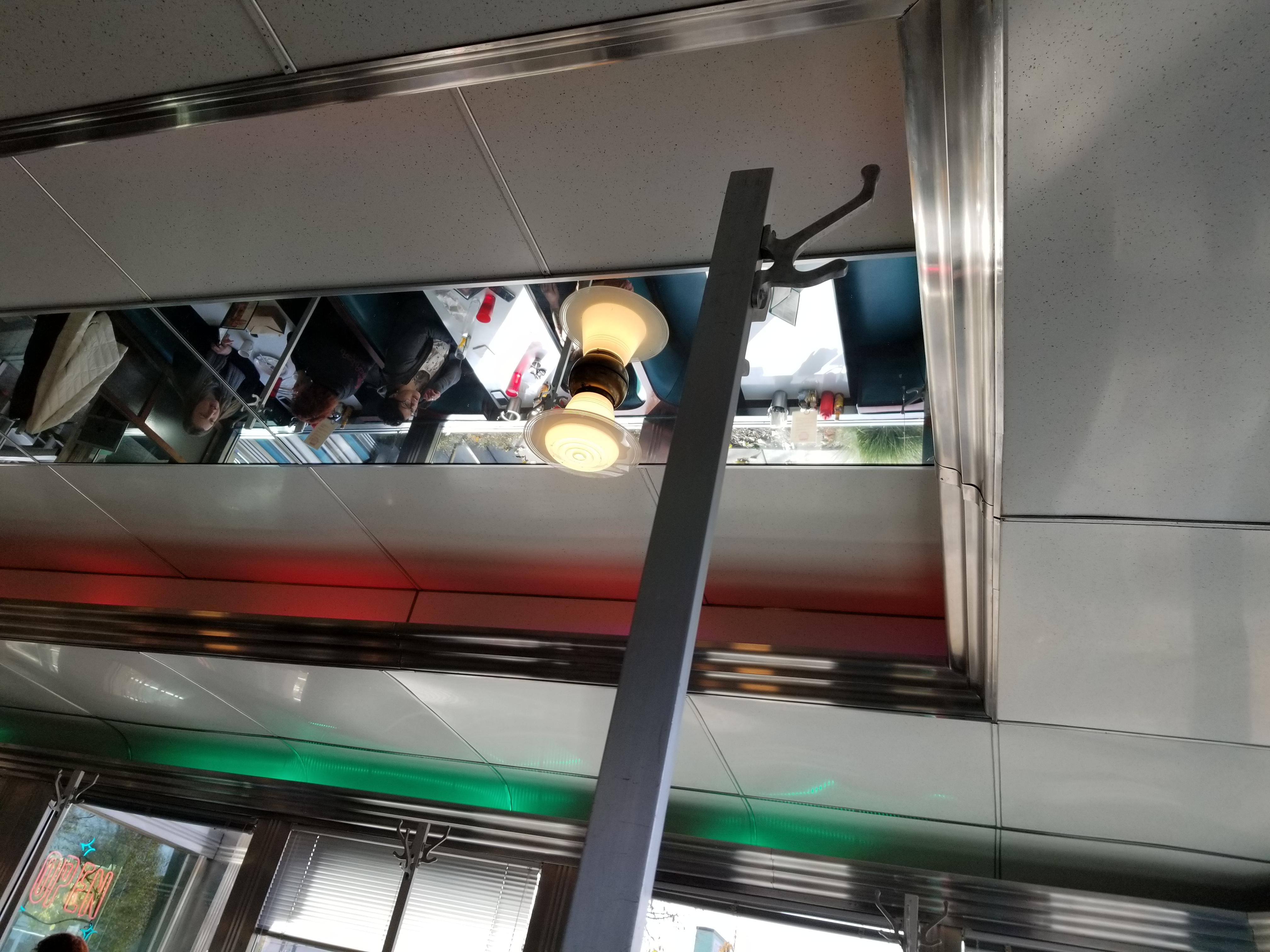
Afterward we went out for brunch at a new diner – very funky and very cool. It’s owned by one of the people we meet at the school fundraiser Halloween party last weekend. He even recognized me in my old glasses. (New ones broke). Aunt&Uncle and I had a great conversation, talking about everything from trying to explain what mindfulness was, to Uncle’s dad teaching him yoga in the 50’s. And the usually family stuff, of course. It’s been really nice getting closer to them these past few weeks.
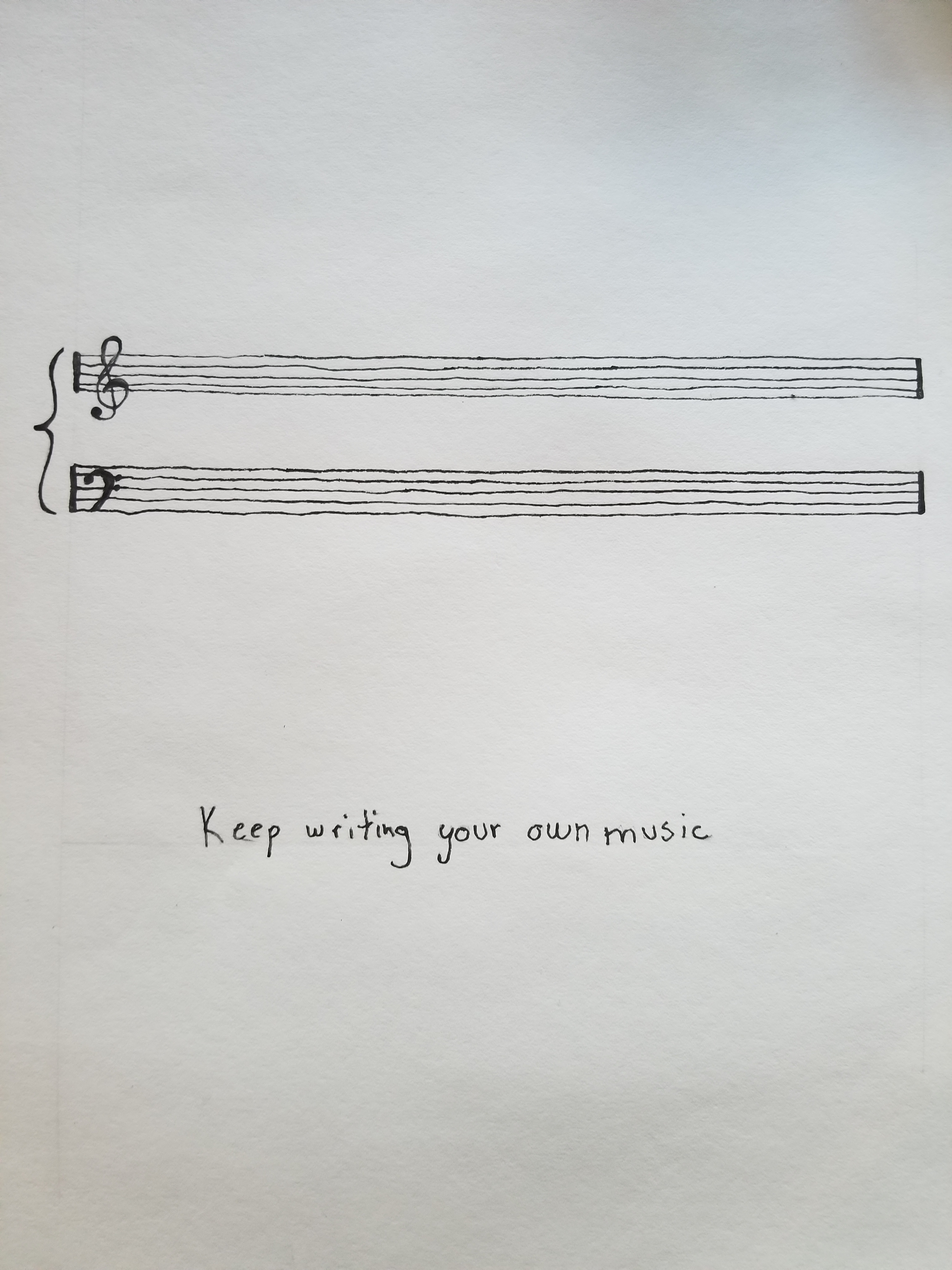
In the afternoon I had day program and one of the others attending was having a “last day” so we did the tradition of making art after check-in. They were musically inclined so I made this:
This makes me happy
I really like the day program, you get to meet so many different people who have the same or similar problems to yours. Unfortunately, that means they end up leaving and it can be sad. Turnover is a bitch.
Random notes from today’s prep:
When they take vitals you get to take a drink of a medicine that is supposed to prevent aspiration during the procedure. It tastes like raspberry sour patch candy.
Printed up some cards with the blog info on it to share.
Have my “social avoidance tools” fully deployed today. No eye contact, headphones.
56 days until Christmas.
I’ve been thinking of a semicolon tattoo if I make it to a certain date. New Years?
The doc said I had a really good siezure last time, and that helps them dial it in. Had additional meds to help with they nausea and calf aches. Calves are much improved today.
The procedure was the same experience today, but I’m understanding the layout better and less confused when I come out of it. Figured out where the recovery room was.
I shared my cards with them with three blog address on them. (Hi, care team!) They thought it was a cool idea.
One of the nurses was very excited when I brought up the mood ring. She did notice it and it changed color during the seizure, blue and green and purple. Not strobing, but still interesting!
Was wearing my suburbs shirt and they asked if I had ever seen them. Many times, I replied and they asked whether the singer was still in the cities. As they were putting me under I said “Chan Poling, I’ve met him, I’ve got stories, but now you’re going to miss them…” as they put me under. So I went out to the sounds of laughter, which must be good.
Wife reports that I came out much quieter today, less joking around. But I’ll attribute that to the increased depression.
Got home and straight to bed. Skipping group today, which is really disappointing but the sleep was worth it. Next week might be able to make the Wednesday session.
Still planning on going to see the Son this weekend, which will be tiring but a much needed boost. I miss that guy like a missing limb. And we may get to meet the new girlfriend!
And finally today I finished my Hudson’s Bay Blanket themed scarf!
Ignore the imperfections – it’s only my second knitting project!
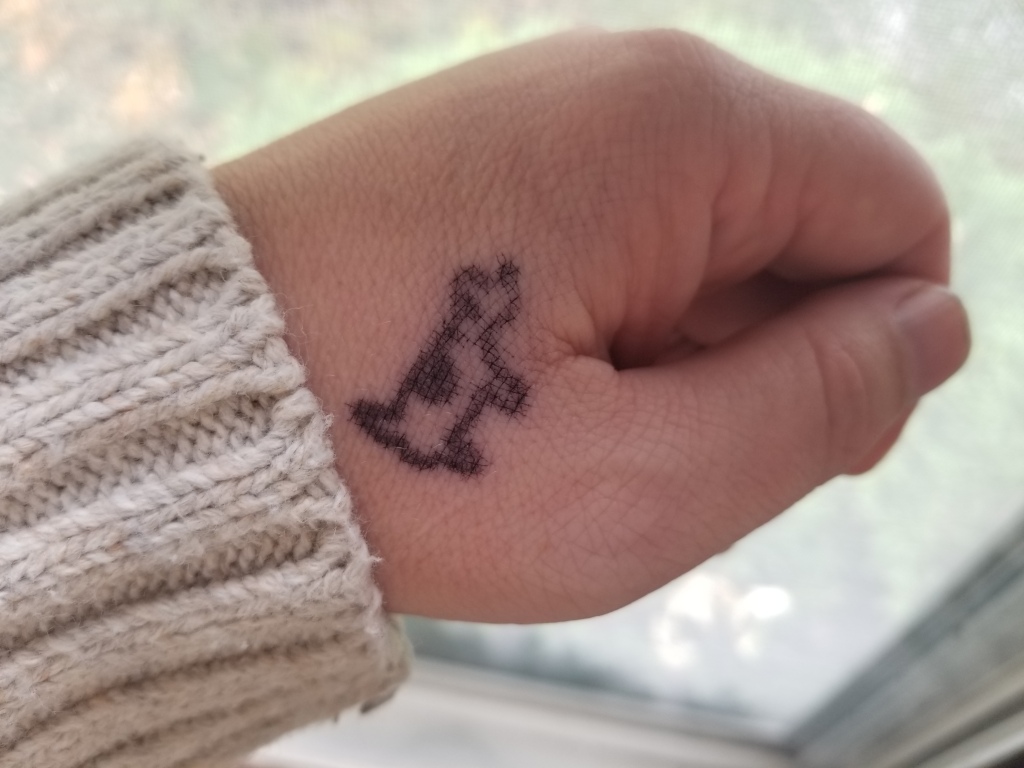
At the suggestion of my wife, a Sharpie allowed me to bring Harvey along for the procedure. He slept through most of it.
For some reason I thought a Marines shirt was the appropriate choice. Maybe for confidence. We arrived in the still dark of the morning, and after some wandering around found the office. Checked in with the usual paperwork, depression inventory, had vitals taken. Blood pressure was crazy high, but I was nervous and couldn’t take my BP meds yet. Got a nifty wristband but they cut it off before I left, so no souvenir. I have, however, been finding various connecting electrodes and bits of adhesive jelly here and there. Like a personal scavenger hunt for the elements of the hospital bill.
While we waited, Wife and I scanned the wristband and figured out which numbers were my patient number, record number, etc. It can be fun hanging out with a medical records junkie. There were half a dozen other people and their minders waiting, but I was picked for first today.
After a review of my meds and a check-in to talk about my depression, I got to take a test to judge my confusion level. I nailed it, 30 out of 30. It was a pretty easy test, although I had to do math at one point and, well, math is math. I waited a very short bit and they took me to the procedure room.
No changing into hospital gown needed, just lay down on the bed and chatted with the doctor (whom I’d met a couple weeks ago) about what we were doing, side effects, etc. Another conversation with the anesthesiologist. One of the questions was “have you ever had a seizure” and I said “no, but give me a minute.” It took a moment for it to register and they all laughed. Wit as a defense.
IV was put in while I was talking to the doctors, which helped distract me from it and to be honest I don’t really remember it much. It was that easy and comfortable. My daughter had read that they will sometimes put a tourniquet on a foot so they can isolate the muscle relaxant and see the foot during the seizure. They did not do that, but I thought it was interesting.
I mentioned that I had a mood ring and was curious what it would do during the procedure. Unfortunately I forgot to ask afterward – I’ll ask next time. And finally, the anesthesiologist put a mask lightly over my mouth and nose, and after being told to breathe deep, my stomach dropped like on a rollercoaster and the world slid away from me.
The next thing I knew I was waking up and they were removing my wristband and a wheelchair was rolling up. My calves hurt like I had run a marathon yesterday. And I was a little bit nauseous. A little bit of a headache and groggy as hell. But it was over and I was moved out to a sub-lobby where they gave me a muffin, juice, and eventually coffee. Which was maybe a bad call on my part, since I needed to go home and sleep. The coffee was shockingly good. (See what I did there?)
Once I was cleared to go, Wife took me down to the lobby in the wheelchair…
Wheelchair ride out of a hospital!
.. where I got to line up with the other patients waiting for rides. By the time we were on the way home I was really starting to sort out how I felt. It felt like the weirdest hangover. You know how it feels like your skin is crawling? My head felt like that. On the inside. But it was not uncomfortable. Just odd. We had a few moments where I felt like the die in a magic 8-ball when we turned a corner, but that was actually kinda fun.
By the time we got home I was doing much better and even though I wasn’t very steady on my feet I got out of the car all on my own. And then I slammed my coat sleeve in the door. Oops.
I went straight to bed and was out fairly quickly. When I woke up an hour or so later I felt like a warm gummy bear and I just wanted to stay in bed and rest. So I did. Checked out my phone a bit but decided that I needed to watch a movie or something. I have been wanting to see The Rankin and bass Hobbit again so I watched part of that. I consider that actually to be a worse decision than watching One flew over the cuckoo’s nest last week. Just all that singing is so horrible.
My super wonderful and supportive wife made me an excellent peanut butter and jelly sandwich and some milk and I had lunch in bed. She joked that it was like how our daughter sometimes just takes her food to her room to eat.
The rest of the day has been fairly uneventful but I do still feel a little groggy. My calves still hurt, I’m still really tired, and I find myself randomly wandering from room to room looking for something to do or looking for something. I’m going to have to structure these weeks fairly well because I can’t spend all of my days being this bored. Although I did watch The Favourite and felt like I was much like Olivia Coleman’s character as the Queen Anne just wondering the palace aimlessly.
I don’t intend to all of my entries to be this long and this detailed I just wanted to cover the first day and what the process was like. I don’t know how much or how often I will update, but this is definitely a fun exercise and a great way to remember and sort out my days.
Didn’t sleep. Not a wink. Like being at work for eight hours. In the dark. With no work to do. Do you have any idea how boring that is?
There’s this thing called sleep hygiene. Go to bed at the right time, get up at the right time, if you’re not sleeping, get out of bed and do something calming, don’t use screens if you can’t sleep, stuff like that. Well it was a busy night for me. I even learned that I can knit in the dark. Handy. Oh yeah, forgot to mention I was fasting for the treatments from midnight on, so no late night frosted flakes, no warm milk, no sominex, not even a sip of water, per instructions. Tired and thirsty and hungry.
So here I am, about to get up and head off to the first of many sessions of ECT. Nervous? Sure. But the exhaustion is helping calm me down, I guess? I’m more curious about what it’ll be like and hopeful for the science to rescue me.
And I have at least five minutes of really supercharged sleep to look forward to! 🙂
In the day program I attend three afternoons a week, we do lots of different things, many of them involve physical exercises. Not exercise, but movement things. Often the instructions are vague for a reason – to let us come up with our own understanding of the task and see what we can share. One day the instruction was to talk a walk down the hall like you normally would, and then take a walk down the hall with a witness. In mindfulness the idea of the witness is thinking about what a situation looks like to someone else — not to your own personal feelings about how it looks. For example, I had a panic attack in the grocery store. My feelings were horrible, and it felt like the end of the world. But to a witness, it would just have looked like someone who was checking their shopping list more often than usual.
One of the options was for the witness/companion to be nature, or an animal or something. I imagined a small cat walking next to me and it felt really nice. In discussions I mentioned that and thought how neat it was. I thought about how nice it would be to have a puppy hanging out with me like that, and that’s when I came up with the idea of an imaginary therapy dog. He’s Harvey, after the movie with Jimmy Stewart. So now I do my best to remember Harvey, and imagine what he might be doing. Sitting at my feet, wandering the room sniffing around, doing puppy things. He’s pretty low maintenance, too. Never piddles on the carpet!
I don’t mean to make light of actual therapy animals, and I certainly don’t rate one. It’s really just the idea of having a little buddy around when I need him. A real dog is out of the question due to family restrictions, and to be honest I don’t know that I’d be able to take care of a dog as well as I take care of my children. Dogs are so much more work! I’ve never had to take my child out into the backyard in the dark cold of a February night just so they could pee.
I had a mental image but wanted something representative, so I doodled a little drawing of him. I’m not a big tattoo guy (don’t have any) but if I did, I’d consider a tiny little version somewhere I would see on a regular basis. Maybe some day.
We went to a Halloween party – a rare public sighting of both of us together. It was a great time though and so much fun talking to friends I haven’t seen in a long time. And met a bunch of people who could be new friends. We both talked openly with some of them about what’s going on and it was nice to be able to vent and/or tell the tale. On my meds I’m not really supposed to drink. So..
Drank too much. Went in with a two drink limit- very specifically two nice scotches. But they were too good and I had access to more so I did – no regrets though! So tasty! Unfortunately now I’m slightly hung over and my “hey it’s barely light out you should lie in bed wide awake” just went off. And I’m likely to miss the knitting party this morning that I was looking forward to. But it’s been months since a good party, And I think it was good for both of us to get out.
Abilify is one of my meds and it’s a mood stabilizer. So sometimes it feels like I’m on a straight path across emotion. It won’t let me cry at good movies but it won’t let me be too far down either. But then there are weird times like right now when I feel like I’m on a high wire and looking down at my great friend depression but I can’t get down there to wallow and join the fun. Normally a hangover for me means a deep dive in the old psyche, but not as long as Sgt Abilify is on duty. So I’m up here, wide awake, headache and bored, not even able to be properly depressed. I suppose that’s a good problem to have.
As I mention in the About page, this is to record my journey. There are pages explaining everything up to now, but this is the first post in “realtime” and will be followed by posts as things happen, change, or I just feel like it.
Monday I start ECT (electroconvulsive therapy) and I’m getting more anxious the closer it gets. But I’m excited to apply some science to a problem that thus far has felt more like magic and mystery than anything else. The last week has been a bit brighter than the previous months, much of it attributed to the hope of ECT’s effectiveness. But I understand that nothing is guaranteed.
I said goodbye to work friends last week, as I’ll have to suspend work, driving, and anything too interesting through the treatments. They’ll be going on three times a week (MWF) for 2-4 weeks. My wife is going to work from home, and I have other relatives who will help me get from appointment to appointment — I’ll continue in my day treatment three times a week (TWTh) in the afternoons. I’m really hoping I’ll have the energy and concentration to do that, as I get a lot out of the group talk and mindfulness lessons we get.
This weekend is about being restful, but also catching up on things I want to do before I got into this new unknown territory – setting up this blog, practicing playing music, running errands, etc. And I’m going to a halloween party tonight, energy willing.
Apologies if there are redundancies in the backstory pages, and the posts coming. Memory is not great right now, and I like to type. Enjoy!
There is a great writeup here, but here is my description of the difference.
This is typical depression for me:
Sometimes you wake up and it takes a moment to settle in, like a fog. Other days you wake up and feel as if you’ve been buried in it. It’s the thickness of the air and the world that makes it hard to move. Every effort is exhausting. But there is no sleep to rejuvenate you, and by the time it’s proper sleeping time you won’t be able to.
It’s not a sadness or a despair, nothing that satisfying. It’s a grey plasma that you have to push through to get to the normal goals everyone else takes for granted. Sitting. Showering. Talking. Pretending you’re fine. Luckily, the grey takes away the desire to do most things, so you don’t have to push as hard. But to everyone else it looks like calmness. Like quiet stillness. Or laziness. But there is something in the background yelling at you to keep moving, that where you are or what you are doing isn’t right, but that something never tells you where you should be. It never tells you what’s right, only wrong. No sitting this one out.
If you live in the thick grey world for too long, it begins to look normal to everyone else. But every moment that you are stuck in the muddling mess is like the first and last moment. Every moment is like every single moment. You cannot see out of it, it’s not a cloud following you around, it’s the world your way, and nobody else seems to be caught by it.
Eventually it will pass. Some wind will blow and it will clear away. Some morning you will wake up and it’ll be receding slowly. Slowly enough that you can’t see it move. But eventually you don’t feel it anymore. But the gray takes away the satisfaction of knowing it’s gone. Just like you can’t see out of the thickness, you can’t see into it. When it’s gone you won’t be able to remember how it felt or didn’t feel. You won’t be able to even believe it happens as intensely as it doesn’t. So when it’s gone it’s business as usual. And nobody congratulates you for clearing it, because they could never see it. And to be certain, the thickness never mentions it. The thickness just sits there and waits for the next day it finds you.
So that’s what I used to call the “mental flu” and I’d have it for a few days or weeks every couple months, sometimes only a few times a year. Other times more frequently. But it always passes.
For me, this major depressive episode (my first) has some similarities. The difference though is that it’s not like a dream. You don’t wake up from it, and it invades your every moment. The fog is different – the world is still in color, the thickness is still there – but it’s like a waking dream. It’s as if my normal depression was a dream about cold and ice, but you know you’re in a dream, and somehow you can sense that you might wake up and it’ll be all over. But this major depressive episode is like you woke up and you’re still freezing to death, and there’s no end in sight. It doesn’t get better, and it just always hurts. The moments you get warmth you still feel cold.
If depression were a dip in your emotions that you fall in and out of, the major is a hole you fall into and the walls are too steep to see a way to climb.
Depression can be treated with meds, talk therapy, group therapy, homeopathic methods, etc. Many people who experience depression get better. For those of us with Treatment Resistant Depression, it just keeps coming back. Some episodes don’t just end. And medication may help some, but really doesn’t solve the problem.
My care team suggested the partial hospitalization plan (PHP), so I did an intake there. Essentially a hospitalization but we were allowed to go home overnight because we had safe, supportive environments. It was full days all week for three weeks, with group therapy, regular psychiatry consults, and education about mental health issues and some cognitive behavioral therapy. Because of the program, I was horribly sad to miss the family trip to the East Coast to see my new niece, but Wife and Daughter made it. When I was discharged I was a bit better, but still in the major depressive episode. The transition from fulltime program to part time began immediately after. It is a similar program to the PHP, but only three days a week, for just the afternoons. It’s also really helpful. I also began going back to work for three hours a day, three times a week. I was away from work for 6(?) weeks and the plan was to work half days through the end of the year unless I feel up to increasing earlier.
Despite the raft of medications I was on and the programs and therapy, the major depression continued. The suicidal issues continued, which is hard on everyone, but I scheduled an intake interview with a doctor for Electroconvulsive therapy (ECT) and begin those treatments in the coming weeks. I have a large care team consisting of program therapists and nurses, psychiatrist, psychologist and even my primary doctor has been involved. I’m also attending an evening support group for men called Face-It (https://www.faceitfoundation.org/) that looks like it’ll be a great long term support group.
Work has been wonderfully supportive. They have been so patient, understanding, and helpful. I think this is where working for a Scandinavian company is really nice, as they have such a supportive culture and a leave of absence like this is taken with sincerity and no issues. My boss here in town has been wonderful as well, and is working with me to get me back up on the horse, but in a way that’s healthy and good for everyone. They may feel a bit guilty, as I was doing the job of two people while also building and managing a team. In fact one of the founders just called to offer his support and stress that I shouldn’t push myself or overdo it and to take the time I need to get back up to a good speed. We’ve also hired a few new members of the team, and that will help.
Wife and the kids have been extraordinarily supportive and patient. I’m very lucky to have them, and to be honest they’re the reason I’m alive today. Having Son around this summer was wonderful, and it was tough to send him back to school but we keep in touch well and he’s doing so great there that he’s quite happy. Dean’s list last year and so far straight A’s! His absence this fall has actually helped Daughter and I become closer and that’s been awesome. Sadly, she now has not only her competitions and practices, but her own car and a job, so we see less and less of her. Working on the empty nest. Wife’s been so helpful, and I couldn’t do this without her. This is truly the hardest thing I’ve ever done/been through. But everyone’s support helps and reminds me that I’m loved. I’m very grateful for my whole family and my friends.
Part of my diagnosis is “Treatment Resistant Depression” which is what that sounds like. Meds weren’t making any sizeable improvement — although the abilify leveled me out a bit — so we’re moving to the next step.
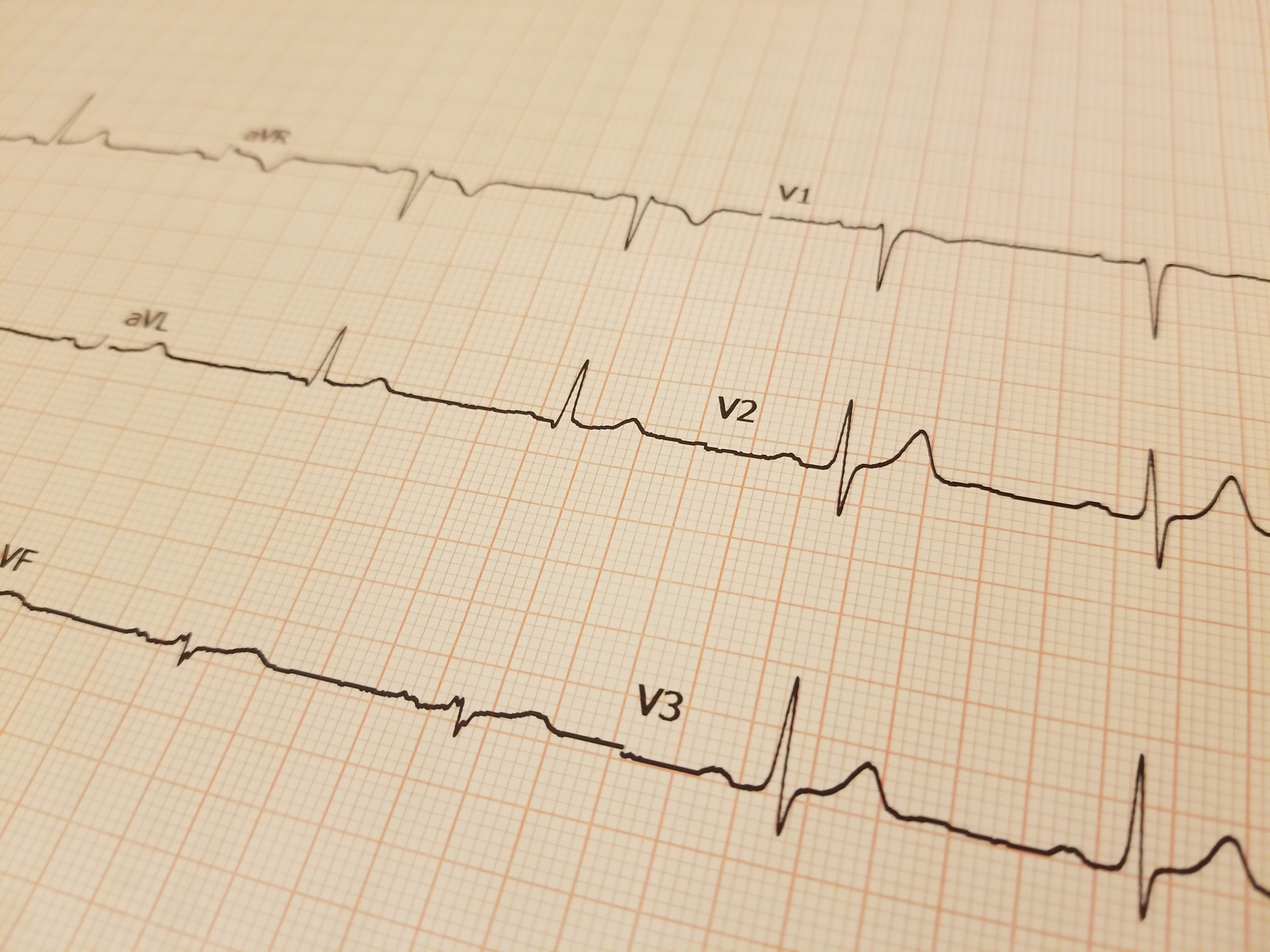
On the 28th of October I begin ECT (Electroconvulsive therapy, not at the Mayo, but that’s a good info link) three days a week for 2-4 weeks. Currently scheduled out for 3 weeks. It’s a quick procedure, and I’ll be under general anesthesia each time. Side effects vary, but there’s likely some short term memory loss, confusion, and maybe even cognitive issues. But that all typically resets itself and there should be no long term side effects — except that the outlook for helping with the depression is super high. Like 70 to 90 percent of patients. So that’s a good thing. But it’s scary, to be sure.
I won’t be able to drive or work during the treatment period, and my day program at Abbott has rearranged my days to accommodate. Wife will be working from home to monitor me and we have a complicated schedule to get me from place to place. But it’s only a few weeks, so we’ll survive.
I’m actually hopeful about this even though I can still feel the depression, and my anxiety is a bit up, but that’s to be expected I guess. I’m starting a blog to journal my experience here, but also to be able to look back and remember — it’s likely I won’t have many memories of the next three weeks or so. My Psychologist says my memory of this whole summer will be pretty sketchy, as we tend to lose a lot of the memory of a major depressive episode. Which is a little conflicting for me, because I’ve had some really good memories this summer. Going to see my sister (twice!) and seeing everyone and just some of the family fun we’ve had — I’m hoping those memories are strong enough to stick. 🙂 Also, I’m going to work on recording my repertoire of concertina songs to see if I get any worse (or better!) through my “charging up.”




 a Scarlet D